
Radiographic Testing (RT): Looking Deep Inside to Ensure Safer Structures
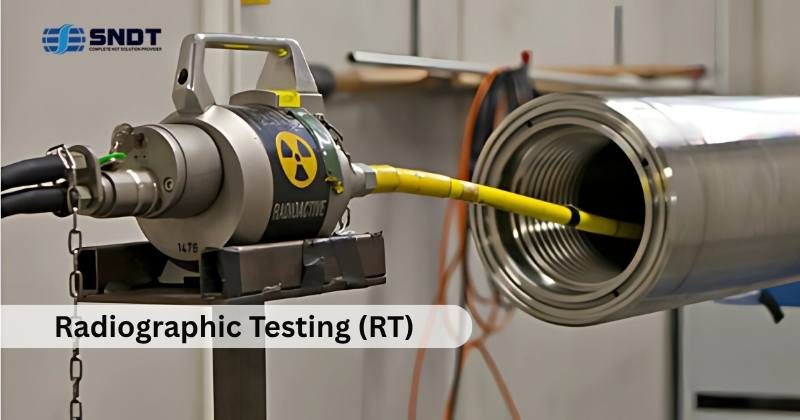
Radiographic Testing (RT) is an effective and essential non-destructive testing (NDT) profession that enables an engineer/inspector to look into materials and parts and expose them to no harm. RT makes use of X-rays or gamma rays and makes visible the discontinuities that cannot be seen, as well as certifying the structural fitness of vital facilities. The method is commonly used in various sectors such as oil & gas, marine, petrochemical, and construction, with an underlying necessity of ensuring the safety and reliability of operations.
What is Radiographic Testing (RT)?
The idea of applying Radiography Testing (RT) or industrial radiography is built around the idea that solid materials can be penetrated by X-rays or gamma rays. When these high-energy electromagnetic waves travel through an object, a part of the radiation gets absorbed or scattered by the material. The internal defects, e.g., cracks or porosity, voids or inclusions, will cause the radiation to be absorbed or attenuated differently than the neighboring sound material. The result of this absorption variation is recorded on a film or a digital detector, forming a radiographic image (radiograph) to portray the internal structure of the object graphically. RT, being one of the fundamental non-destructive testing (NDT) techniques, provides a detailed and permanent record of the inside condition, making it an invaluable tool for accurately detecting internal flaws.
Key Advantages of Radiographic Testing
1. High Sensitivity to Internal Defects
RT has remarkable sensitivity, so small faults inside the material, such as cracks, voids, porosity, and slag inclusions, can be detected, even those that might be difficult to detect using other methods. This extreme sensitivity plays a crucial role in ensuring the integrity of the asset’s important parts.
2. Permanent Visual Record
Among the many benefits of Radiographic Testing is the fact that it results in a recorded visual image (the radiograph) of the test. This rating is capable of being saved, viewed, and even compared to subsequent audits, which can give good historical data to help trace changes or ensure the quality of the initial examination. This is either conventional film or digital X-ray testing and gamma-ray inspection pictures.
3. Non-Destructive & Reliable
RT, being a non-destructive testing method, makes it possible to thoroughly examine components without tampering with the integrity of their structure. This does not render the item under inspection unusable, and therefore, it is a safe source of quality control and periodic repairs.
4. Wide Material Compatibility
Radiographic Testing is very flexible and can be used in many materials, not confined to metal and alloy, but also including some nonmetallic materials such as composites and ceramics, which lend it to a variety of industrial uses.
5. Efficient for Large Structures
The RT can be effectively conducted on large-sized structures and with complicated geometries, with the advancement in smaller-sized and digital radiographic equipment, which offers all the powers of complete internal inspection on the difficult assets too.
Applications of RT in Industry
The applications RT has in industrial sectors and conditions are remarkable, and the reason Radiographic Testing is used widely across various industries is that it is successful in unveiling hidden conditions.
- Weld inspections: Weld inspections are important to ensure that welded joints on pipelines, pressure vessels, and structural steel are of good quality and sound.
- Casting analysis: Determination of casting flaws that include shrinkage, porosity, and inclusions.
- Piping and pressure vessel inspection: The necessary inspection of the piping and pressure vessel to detect the thinning of the wall because of corrosion or erosion, and manufacturing defects.
- Corrosion monitoring: Determining the premature corrosion in insulated pipes and vessels, which is essential for inspections and repairing pipelines.
- Quality control in fabrication: Making sure that the newly fabricated parts meet the quality criterion set before they are made operational
Why Choose SNDT for RT Services?
We will be happy at SNDT to offer you the Best Radiographic Testing services. Our team has highly qualified and certified personnel as RT inspectors, who can have plenty of experience in different industrial and marine applications. We provide cutting-edge portable and digital radiographic equipment, which solves the problems of both high accuracy and efficiency, and reduces the disturbance on your site. Safety is our priority, and every single one of our processes is subject to international standards and regulatory compliance. Electing to use SNDT as your industry radiography solution provider, a team that is committed to ensuring the highest level of quality assurance and quality non-destructive testing (NDT) inspection services of your assets, will be rife with benefits.
Conclusion
Radiographic Testing is one of the pillars of non-destructive examinations and provides a deep insight never before seen into the structures to make them safe and reliable in their operations. The ability to detect and identify flaws precisely and critically inspect the insides of an asset renders it massively essential in the prevention of failures, as well as prolonging the life of high-value assets. Let us know about your projects today, contact SNDT, and learn about ways our professional Radiographic Testing services can support your project safety and integrity.