
BUSINESS ENQUIRY
eddy-current

CONTACT US

  • 5, SOON LEE STREET, #04-31, Pioneer Point, Singapore 627607
  • +65 68612759 | +65 92324159
  • rajesh@sndt.com.sg
DOWNLOAD BROCHURE

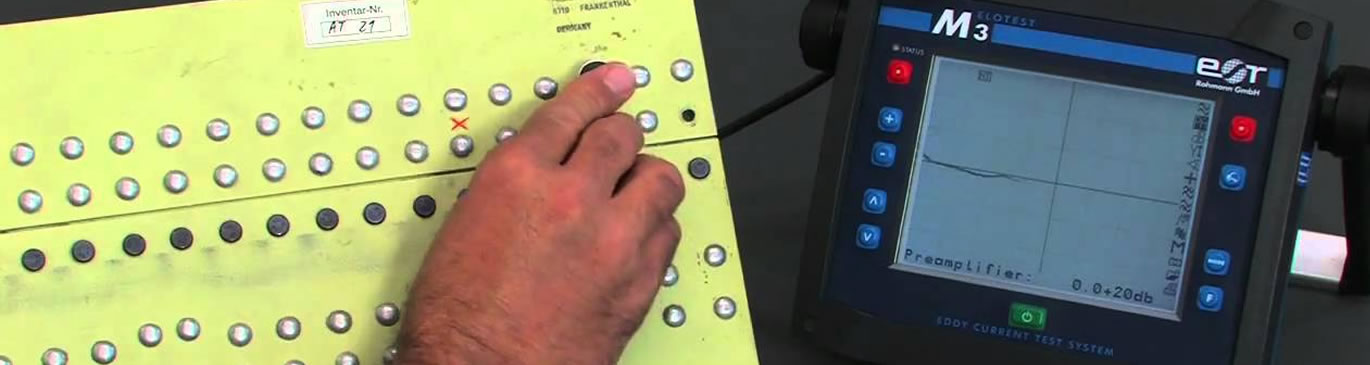
In an eddy current testing a circular coil carrying current is placed in proximity to the test specimen .The alternating current in the coil generates changing magnetic field which inter-acts with test specimen and generates eddy current. Variations in the phase and magnitude of these eddy currents and variations in the electrical conductivity or magnetic permeability of the test object, or the presence of any flaws, will cause a change in eddy current and a corre-sponding change in the phase and amplitude of the measured current.

ET Advantages:

  • Sensitive to small cracks and other defects.
  • Detects surface and near surface defects.
  • Inspection gives immediate results.
  • Equipment is very portable.
  • Method can be used for much more than flaw detection.
  • Minimum part preparation is required.
  • Test probe does not need to contact the part.
  • Inspects complex shapes and sizes of conductive materials.
ECT, ACFM and where they are used

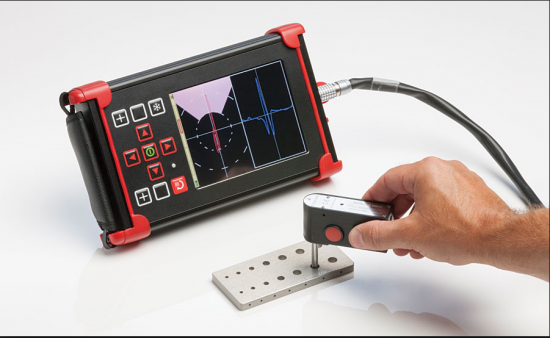
Eddy Current Testing (ECT) uses electromagnetic induction to detect surface and near-surface cracks, corrosion and conductivity changes in conductive materials – with minimal preparation and the ability to inspect through thin coatings. SNDT also provides ACFM for crack detection through paint and underwater.

ECT is widely applied to heat-exchanger and condenser tubing, aerospace components, weld toes and non-ferrous parts, to international procedures (ASME Section V, ASTM E243/E2884). Results are reported with sizing and location so plant can plan tube plugging or repair before failures occur.

Related NDT Services

Eddy Current Tube Inspection  ·  IRIS Tube Inspection  ·  Advanced NDT

Frequently Asked Questions

What is Eddy Current Testing (ECT)?

Eddy Current Testing uses electromagnetic induction to detect surface and near-surface cracks, corrosion and conductivity changes in conductive materials, commonly on welds, tubes and aircraft components.

What is ECT used for in heat exchangers?

ECT rapidly inspects non-ferromagnetic heat-exchanger and condenser tubing for wall loss, pitting and cracking, helping plants plan maintenance before failures occur.

Does ECT require surface preparation?

ECT needs minimal preparation and can often inspect through thin coatings, making it faster than many other surface methods.